


WHATS NEW ?

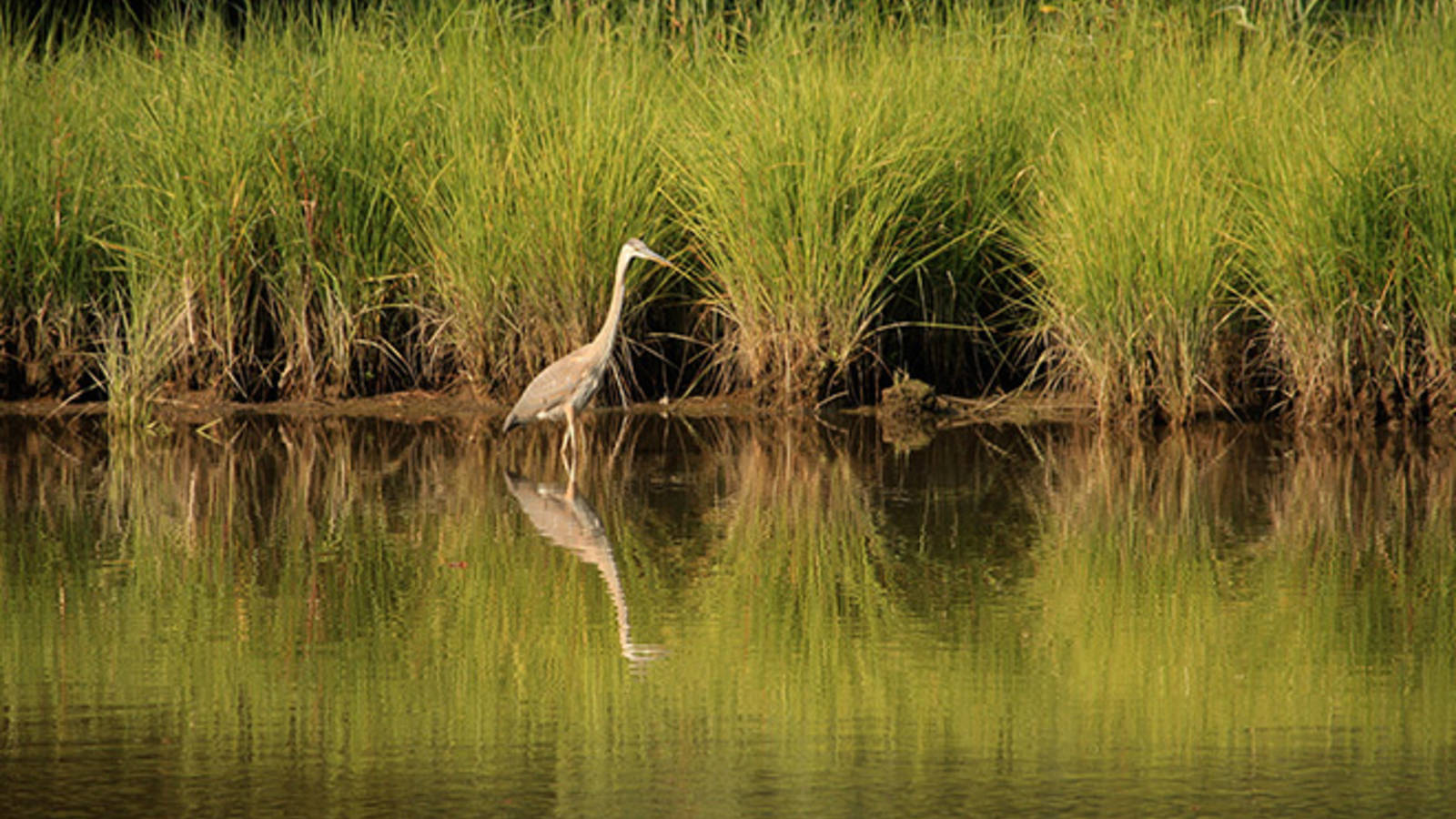
Wetlands are among the most productive ecosystems in the world, comparable to rain forests and coral reefs. An immense variety of species of microbes, plants, insects, amphibians, reptiles, birds, fish and mammals can be part of a wetland ecosystem. Physical and chemical features such as climate, landscape shape (topology), geology and the movement and abundance of water help to determine the plants and animals that inhabit each wetland. The complex, dynamic relationships among the organisms inhabiting the wetland environment are referred to as food webs.

What is a wetland?

Wetlands are areas where water covers the soil, or is present either at or near the surface of the soil all year or for varying periods of time during the year, including during the growing season. Water saturation (hydrology) largely determines how the soil develops and the types of plant and animal communities living in and on the soil. Wetlands may support both aquatic and terrestrial species. The prolonged presence of water creates conditions that favor the growth of specially adapted plants (hydrophytes) and promote the development of characteristic wetland (hydric) soils.
wetland Categories

Coastal/Tidal Wetlands

Coastal/tidal wetlands in the United States, as their name suggests, are found along the Atlantic, Pacific, Alaskan and Gulf coasts. They are closely linked to our nation's estuaries where sea water mixes with fresh water to form an environment of varying salinities. The salt water and the fluctuating water levels (due to tidal action) combine to create a rather difficult environment for most plants. Consequently, many shallow coastal areas are unvegetated mud flats or sand flats. Some plants, however, have successfully adapted to this environment. Certain grasses and grasslike plants that adapt to the saline conditions form the tidal salt marshes that are found along the Atlantic, Gulf, and Pacific coasts. Mangrove swamps, with salt-loving shrubs or trees, are common in tropical climates, such as in southern Florida and Puerto Rico. Some tidal freshwater wetlands form beyond the upper edges of tidal salt marshes where the influence of salt water ends.

Inland/Non-tidal Wetlands

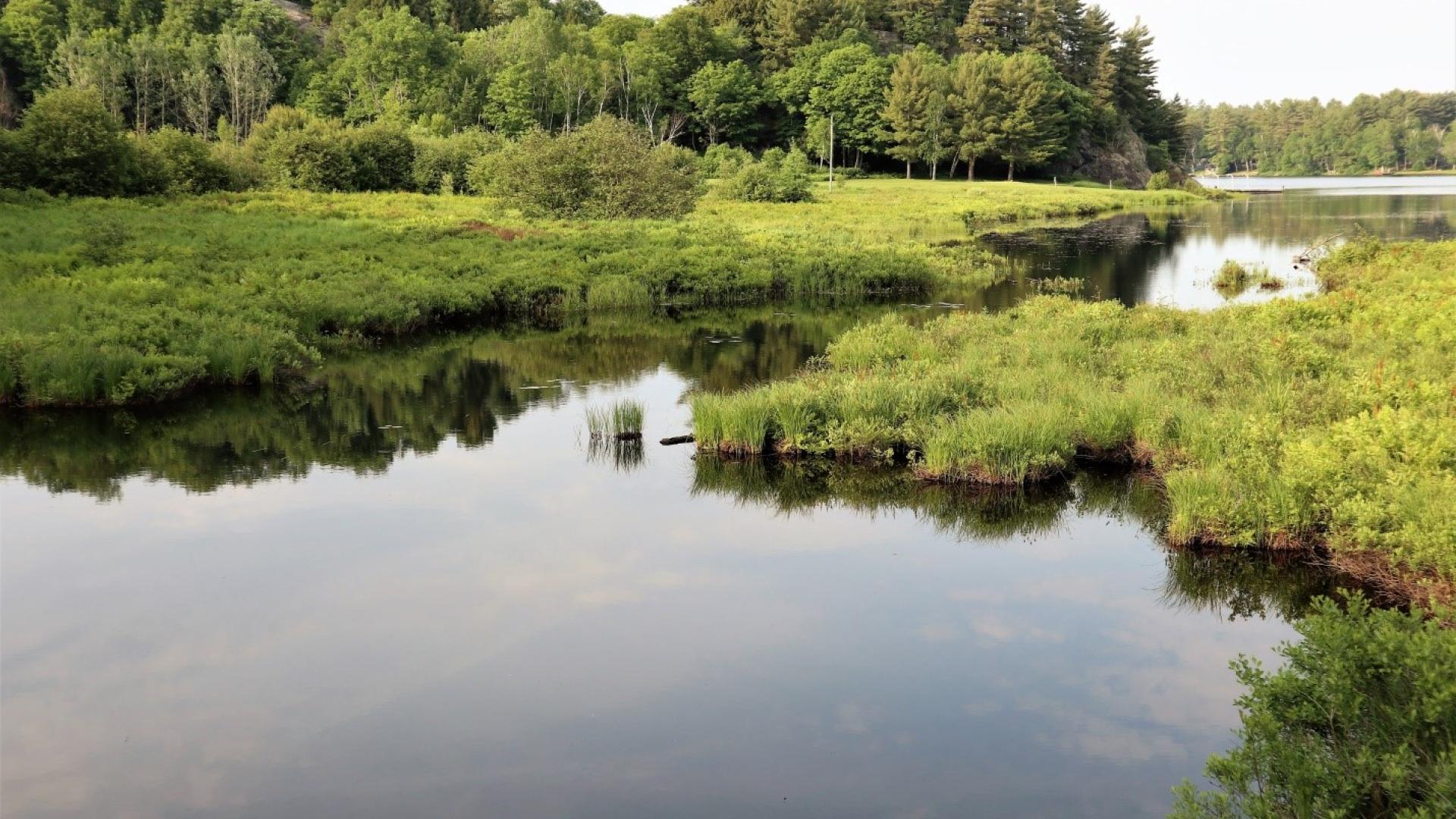
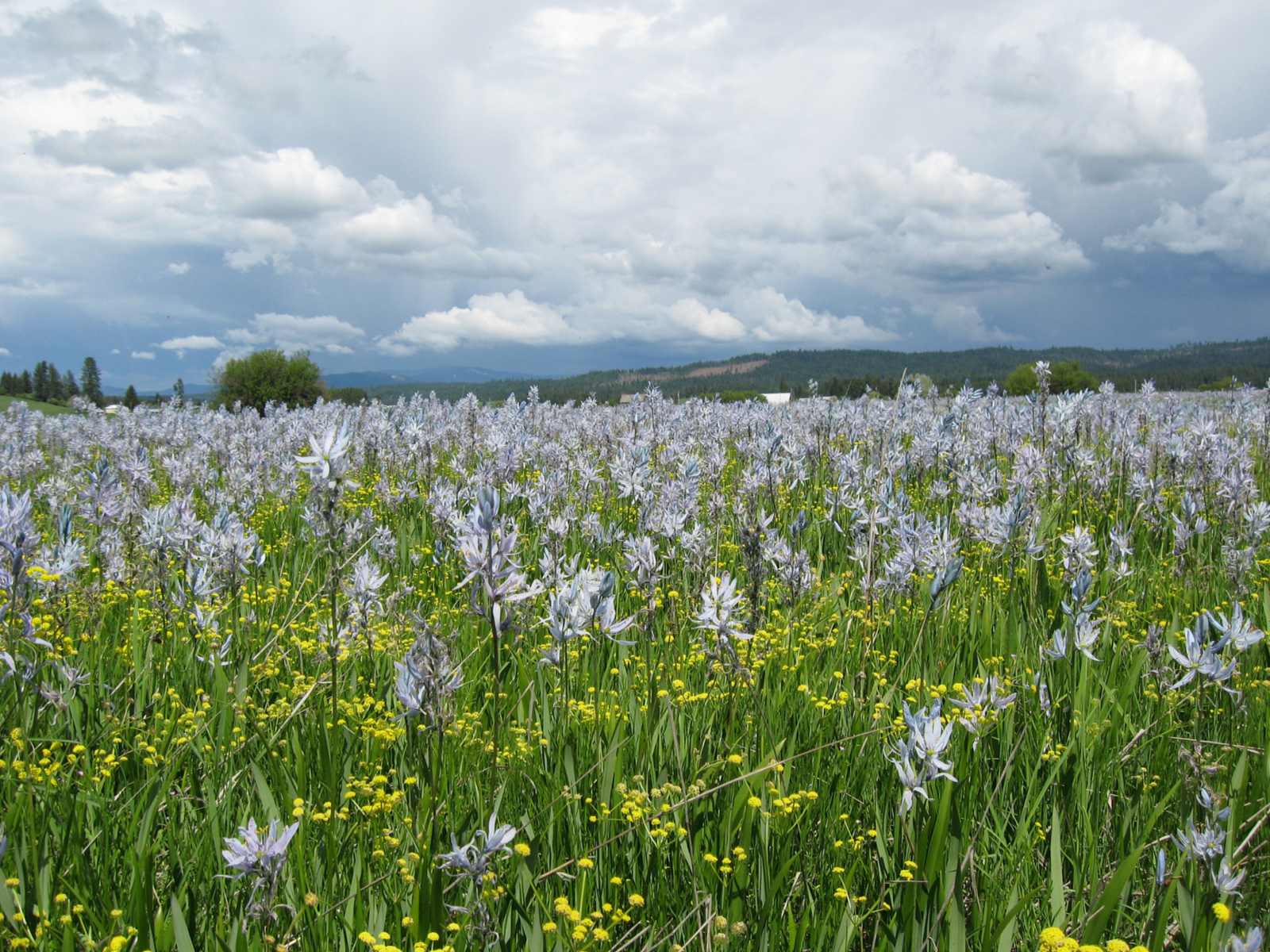
Inland/non-tidal wetlands are most common on floodplains along rivers and streams (riparian wetlands), in isolated depressions surrounded by dry land (for example, playas, basins and "potholes"), along the margins of lakes and ponds, and in other low-lying areas where the groundwater intercepts the soil surface or where precipitation sufficiently saturates the soil (vernal pools and bogs). Inland wetlands include marshes and wet meadows dominated by herbaceous plants, swamps dominated by shrubs, and wooded swamps dominated by trees. Certain types of inland wetlands are common to particular regions of the country. For more information, see Wetland Classifications and Types for a full list.

Many of these wetlands are seasonal (they are dry one or more seasons every year), and, particularly in the arid and semiarid West, may be wet only periodically. The quantity of water present and the timing of its presence in part determine the functions of a wetland and its role in the environment. Even wetlands that appear dry at times for significant parts of the year -- such as vernal pools-- often provide critical habitat for wildlife adapted to breeding exclusively in these areas.

Prioritized wetlands in Tamil Nadu

Wetlands District Wetlands District
Arapakkam tanks Kanchipuram Ariyakulam Tirunelveli
Aval poondarai Erode Chathirampudukulam Thirunelveli
Chemabarambakkam Kanchipuram Chitrangudi Ramanathapuram
Dusimamandoor Kanchirpuram Govindavadi Kanchipuram
Gundur big tank Thiruchirappalli Kaliveli Villupuram
Kallaperamber Thanjavur Kappalur Tiruvannamali
Koonthankulam sanctuary Tirunelveli Kooram Vellore
Koothapar big tank Tiruchirappalli Kovaipudur Coimbatore
Kunnathur Madurai Magarel Kanchipuram
Manavalakurichi kulam Kanniyakumari Mapedu periaeri Tiruvallur
Melakulam Tirunelveli Pallikarnai Kanchipuram
Parandur Kanchipuram Periakanmoi & Sakkarakottai Ramanathapuram
Point Calimere Nagapattinam Ponnur Nagapattinam
Poondi reservoir Tiruvallor R S Mangalam Ramanathapuram
Seidunganallur kulam Thoothukudi Singanallur Coimbatore
Suchindram kulam Kanyakumari Suchindram kulam Coimbatore
Thennampattu Tiruvannamalai Theroor wetland Kanniyakumari
Thirupulivanam Kanchipuram Udayamarthandapuram Thiruvarur
Uthirakosamangai Ramanathapuram Uthiramerur Kanchipuram
Uthukadu Thanjavur Vaduvoor lake Thiruvarur
Vakkadai Kanchipuram Vandiyoor Madurai
Veeranam tank Cuddalore Vellode Erode
Vembanur wetland Kanniyakumari Vetangudi Sivagangai
Wellington lake Cuddalore

wetlands category

Type Area(sq/km) Total No
Lakes/ponds 938.67 773
Oxbow lakes 5.48 1
Waterlogged 74.41 31
Reservoirs 220.73 29
Tanks 375.92 341
Total 1,615.12 1,175

Conservation Of wetlands

These guidelines were drafted by a committee constituted by the MoEF&CC vide OM dated August 10, 2018. The committee comprised Mr U.A.Vora (former CCF Wildlife, Government of Gujarat), Dr Arvind Kumar (President, India Water Foundation), Dr B.C. Jha (Former Director (Wetlands), Central Inland Fisheries Research Institute), Dr P. S. N. Rao (Director, School of Planning and Architecture), Dr Afroz Ahmad (Member, Environment and Rehabilitation, Narmada Control Authority) and Dr Ritesh Kumar (Director, Wetlands International South Asia). The committee met on five occasions at MoEF&CC, New Delhi for the said purpose, and submitted final version of the guidelines to the Ministry on December 5, 2018. The draft guidelines were subsequently sent for comments to all State Governments / UT Administrations, and have been finalized after due consideration of the comments received. The Committee immensely benefitted from the discussions held with Ms Manju Pandey (Joint Secretary). The Committee also acknowledges the support received from Ms Rita Khanna (Scientist ‘F’), Dr M. Ramesh (Scientist ‘E’), Mr Chandan Singh (Scientist ‘D’), Dr Anu Chetal (Research Assistant) and Ms Pallavi Mukherjee (Research Assistant) during the guidelines preparation process.

Download PDF